
8,600+ WA and OR vehicles on the road to a cleaner electric future
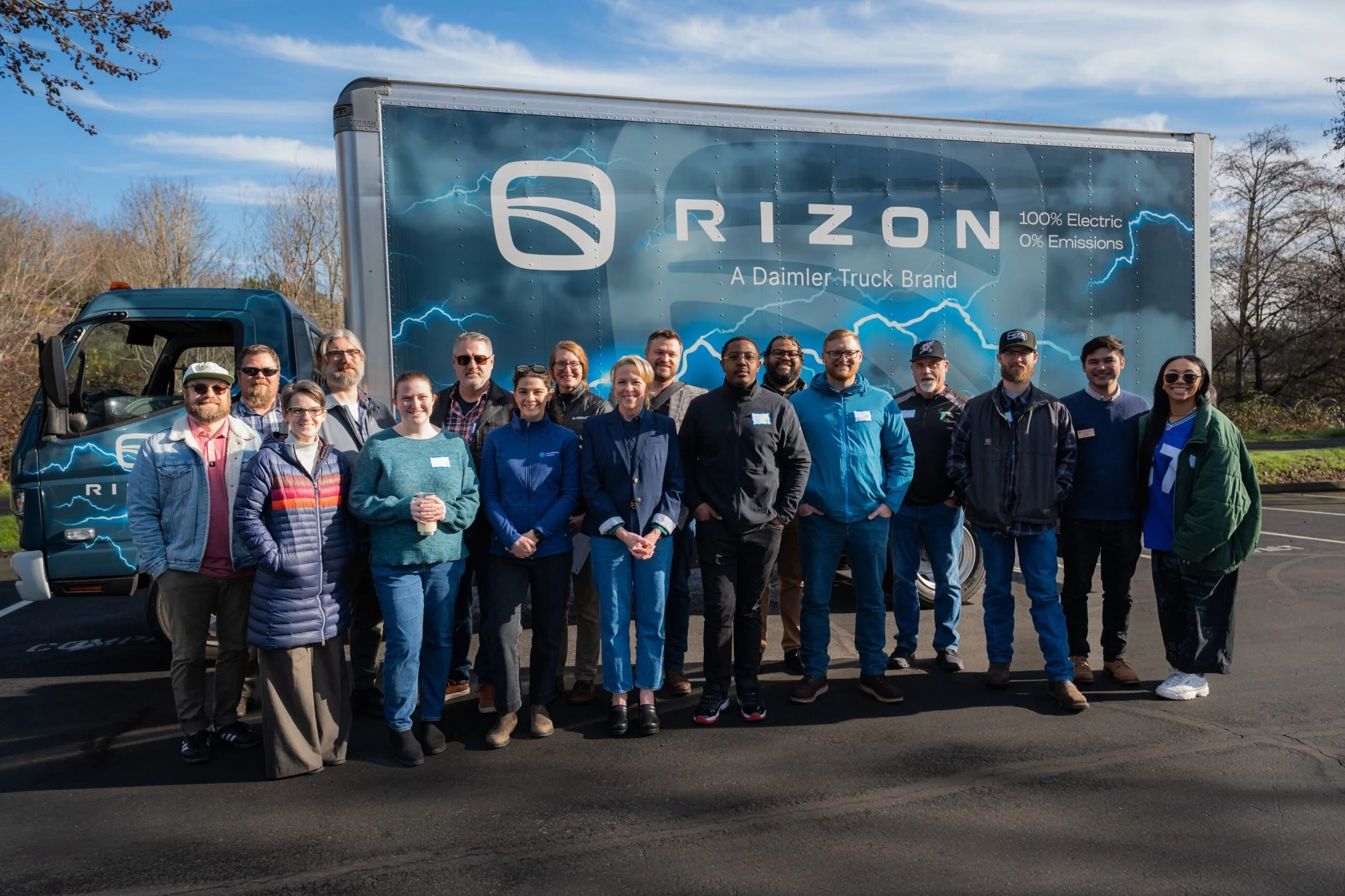
10 organizations from Washington and Oregon are now leading 8,630 vehicles on an accelerated path to electrification after graduating from our Winter 2026 Fleet Electrification Accelerator.
For 12 weeks, these 10 businesses and organizations met weekly with a shared goal: taking the next pivotal steps towards electrifying their fleets. Now, this cohort carries the skills and frameworks they gained into one of the strongest PNW fleet incentive environments in memory.
12 weeks can be a big commitment. However, what participants consistently tell us is that the return, in connections, clarity, and confidence, is worth far more than the time. Having the dedicated space to figure out fleet electrification with peers makes the transition a lot less daunting, and a lot more straightforward, cost-effective, and exciting.
This is the seventh cohort to complete the Fleet Electrification Accelerator, and while each program equips participants with expert insights, valuable connections, and personalized support, every cohort brings its own unique energy, challenges, and breakthroughs. Here’s what stood out to me from the Winter 2026 Accelerator.
1. Cross-sector diversity strengthens collaboration
If there was one word to describe this cohort, it would be collaborative. One of the beauties of the Fleet Electrification Accelerator is its diversity, and this year was no exception. From government entities like the City of Seattle and the City of Portland, to strong small businesses like Grand Central Bakery, cohort members were able to learn from each other’s experiences in fleet electrification.
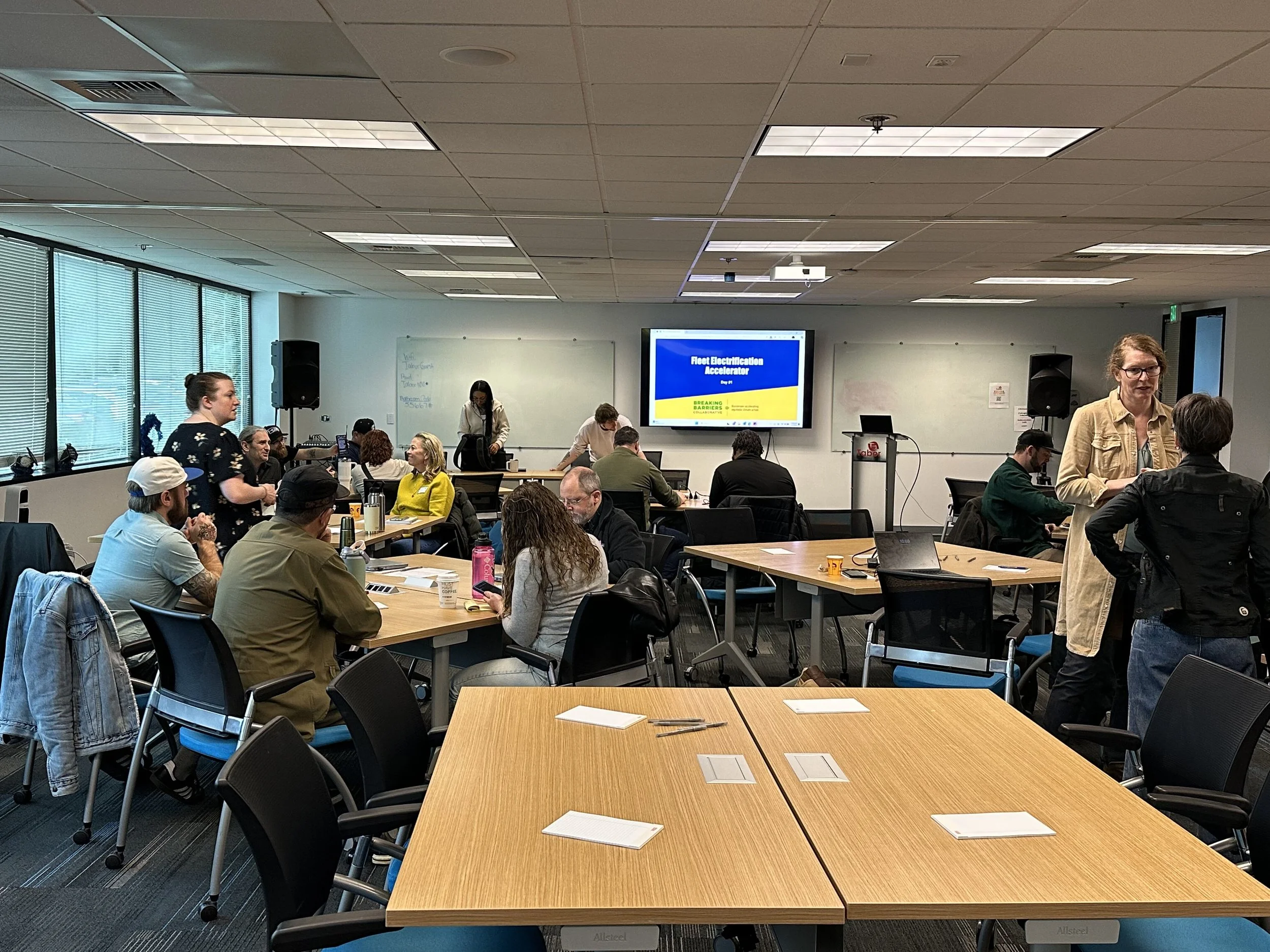
“It’s all about the community! Knowing there are people in similar situations and drawing on their circumstances and questions is incredibly valuable. Everyone brings their own experiences and knowledge. You can vet questions and be guided towards solutions together.”
— Cohort member Christopher Rawlins, City of Portland
This year’s cohort was also unique in its variety of electrification journeys. With some organizations focused on creating the building blocks of their electrification plan, and some further along in the process, the program was more than just a question of how to start electrification: it was an exploration of how businesses can scale their electrification efforts collaboratively with like-minded organizations. At the end of the Accelerator, each cohort member walked away with tailored insights, expert advice, and peer learning that advanced their electrification goals, regardless of their starting point.
2. Fleet electrification requires more than just logistics planning. Holistic, experience-based programming fills the gaps.
A highlight in this year’s Accelerator was a bigger focus on accessibility. One of my favorite sessions was with Alan Hejl, the founder of disability inclusion organization Spark Access. The cohort learned about accessible charging and vehicles, as well as how to collaborate with external disability groups to implement accessible charging options for people with disabilities.
Cohort members also got the opportunity to hear from industry experts about real-life electrification. Christopher Rawlins, a cohort member representing the City of Portland, mentioned enjoying a session with the City of New York, which has one of the largest publicly operated fleets in the country. Learning from municipalities that are farther along in their electrification journeys was an insightful way to rethink their own electrification plans and ask for advice.
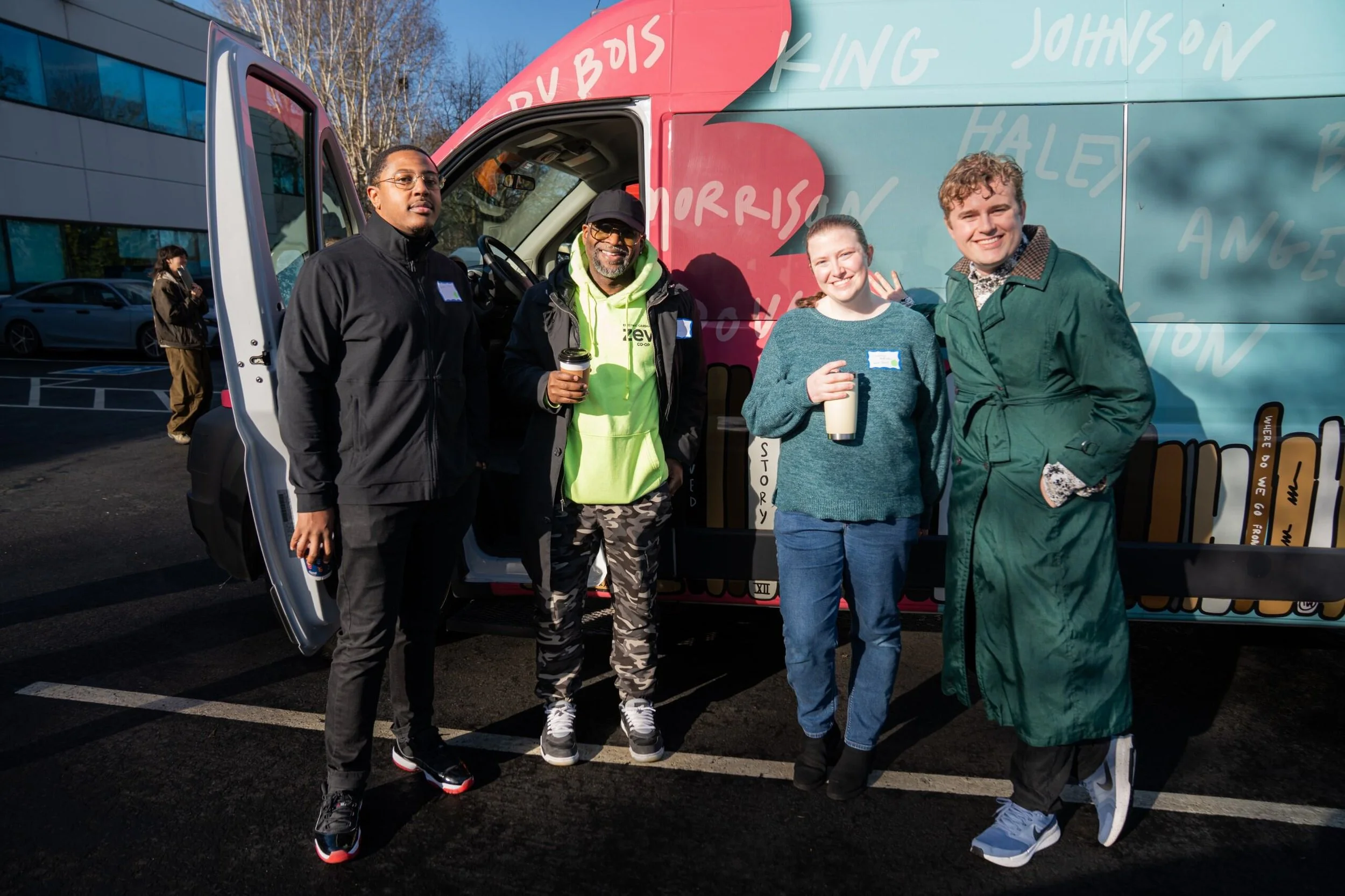
“I can do online research that provides information about the transition, but it’s likely not going to be relevant to me. I learned so much about vehicles, infrastructure, jobs, tech, etc., with a regional focus...I feel really lucky to have been a part of it.”
— Cohort member Erin Gagnon, TransWest
3. The time to electrify is now. Seriously.
As the 2026 cohort begins to implement their EV learnings into concrete solutions, they’re stepping into an exciting time in electrification. There are so many EV incentives for fleet operators, and the next few years are the time to seize them.
Washington recently launched the Washington Zero-Emission Incentive Program (WAZIP), a $112 million investment that lowers the cost of zero-emission medium- and heavy-duty vehicles and commercial equipment at purchase.
Oregon’s ZERO Fleet Program offers rebates supporting the purchase of zero-emissions medium- and heavy-duty vehicles.
Seattle City Light’s Business EV Charging Program offers fleet owners incentives of up to $200,000 for fleet EV charging infrastructure.
But it’s not just the PNW making moves towards electrification—a nationwide shift is happening. The medium- and heavy-duty EV market has grown from almost no options in 2020 to 140+ models in North America in 2024. Municipalities like the City of Portland are running electric street sweepers. Businesses like Skanska, a worldwide construction firm, have made the commitment to only invest in EVs moving forward as part of their commitment to reaching full supply chain neutrality by 2045.
This technology isn’t hypothetical or experimental anymore. It’s here, and it’s changing the game for businesses and government entities across the country.
It's no secret that gas prices are increasingly volatile. When you can’t count on a consistent price at the gas pump, electrification stops being an aspiration and starts being a business decision. This cohort gets that.
Electrification is possible. We help make it simpler.
As the 2026 Winter Fleet Accelerator cohort graduates with actionable AND individualized fleet electrification plans, this is just the beginning for them. The 2026 cohort’s eagerness, curiosity, and collaborative nature were amazing to witness. A huge thanks to Absher Construction, Sellen Construction, TransWest, the City of Portland, Jackson County, the City of Seattle, Unity Foods, the City of Bainbridge Island, Sound Transit, and Grand Central Bakery for their participation in this year’s Accelerator.
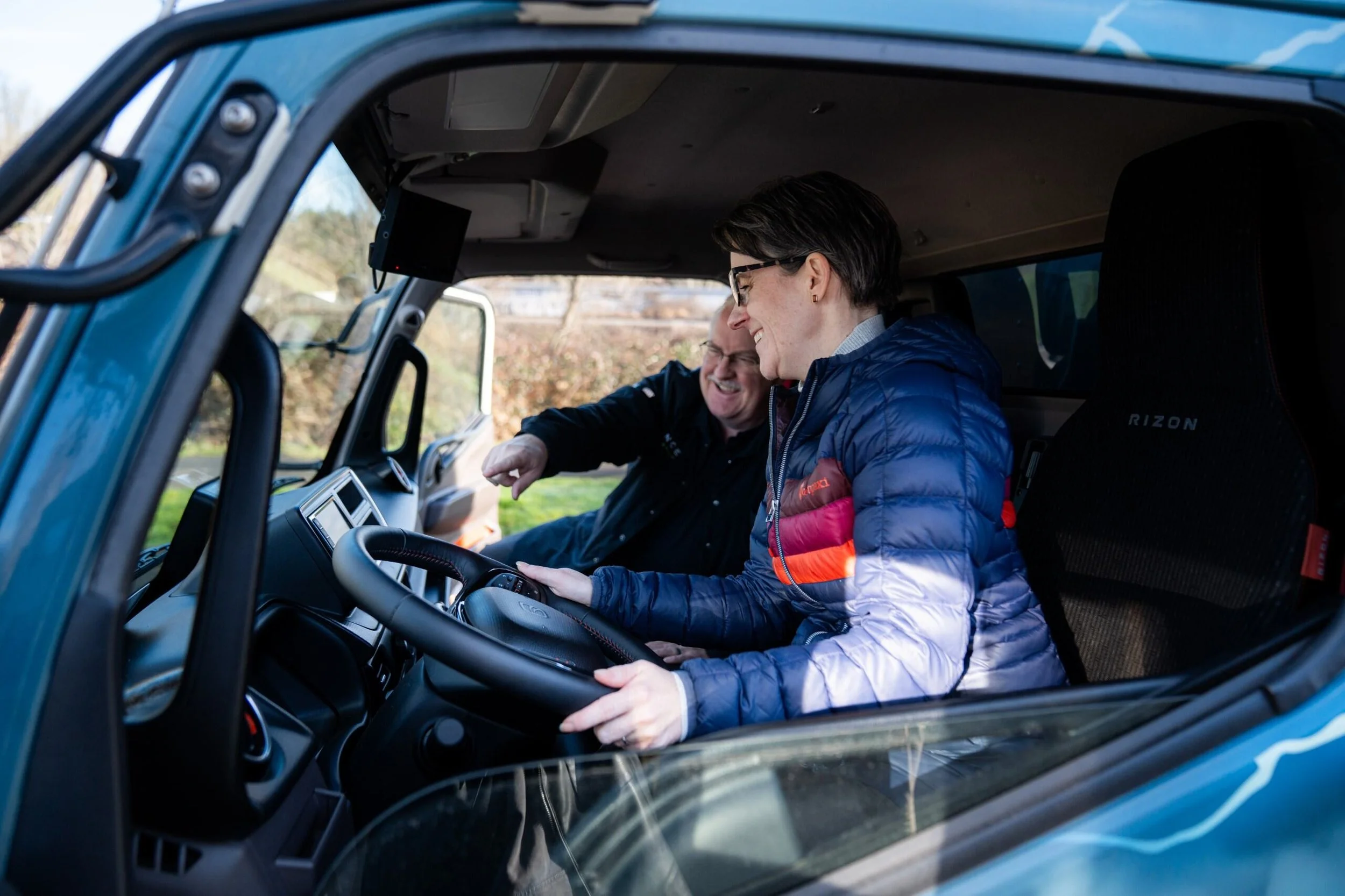
“If you’re serious about converting your fleet, you need to understand what you’re working with and what your infrastructure, vehicles, and policies are. Doing an audit and getting started is critical. The Accelerator helps make that happen.”
— Cohort member Laura Ryser, City of Bainbridge Island
In addition, this program wouldn’t be possible without our partners: Electrification Coalition, Range Zero Emissions, Oregon Department of Environmental Quality, Portland General Electric, Seattle City Light, Pacific Power, and Climate Solutions all brought together the resources that made this happen.
The next BBC fleet electrification cohort is forming now. If you own or operate a Pacific Northwest fleet and you’re ready to make the transition, we would love to talk. Learn more about the Fleet Electrification Accelerator, or reach out, and we’ll get in touch.

Emily Pinckney
Director, Fleet Electrification
As a Director for the Breaking Barriers Collaborative at Climate Solutions and a Board Member for the City of Seattle's Green New Deal Oversight Board, Emily’s contributions have centered on advancing equitable decarbonization strategies and renewable energy transitions. She works to support underserved communities in navigating systemic barriers to community-based decision-making, particularly within environmental spaces.
